
It Started as Practicality, Not Strategy
When people talk about travel loyalty programs, the conversation usually centers around points, upgrades, and luxury perks. That was never really my focus. For years, travel was simply part of life and work. Flights needed to be booked. Hotels need to be reserved. Rental cars needed to be picked up. Like many professionals, I made decisions based on reliability, convenience, and consistency rather than chasing elite status or maximizing rewards. If a hotel consistently provided a smooth experience, I would return. If an airline worked well for my routes, I booked it again. It was less about optimization and more about making travel predictable during already demanding schedules.
At first, those choices felt small. Then gradually, something shifted. Check-ins became easier. Service became more personalized. Small upgrades appeared without asking. Problems were resolved faster during disruptions. Over time, I realized those repeated decisions had quietly built something valuable: trust and familiarity that reduced friction in ways I had not anticipated.
The Real Benefit of Loyalty Is Reduced Friction
Business travel can sound exciting from the outside, but frequent travelers know how exhausting it can be. Early departures, delays, tight schedules, hotel check-ins after long days, and constant transitions between cities slowly wear you down. Usually, it is not one major issue that creates stress, but the accumulation of small inconveniences. That is where loyalty programs quietly begin to matter. With Hilton, years of consistent stays have created a noticeably smoother experience. Room upgrades happen regularly without discussion. Breakfast is often included automatically.
Late checkout provides flexibility during conference schedules or before evening flights. Individually, these perks seem minor, but together they create breathing room during demanding travel days. I have had mornings overseas when not needing to search for breakfast in an unfamiliar city immediately lowered stress for the rest of the day. The less energy spent managing logistics, the more energy remains for travel itself.
Recognition Changes the Entire Tone of Travel
Airline loyalty adds another layer of value that goes beyond points or seating. After reaching Million Miler status with Alaska Airlines, I noticed something subtle but important: recognition changes the tone of travel. There is a meaningful difference between being processed through a system and being acknowledged as a valued traveler. Flight attendants often take a moment to thank loyal passengers. Gate agents approach issues differently. Customer service interactions become more solution-focused rather than transactional.
These moments may seem small, but they shape the experience significantly. More importantly, when disruptions occur, loyalty becomes practical. Delays, cancellations, and missed connections are now normal parts of travel. In those moments, priority service lines, dedicated support channels, and flexible rebooking options matter. I remember sitting in an airport during a weather delay while watching long lines form, yet already speaking with an airline representative through a priority channel. In situations like that, loyalty stops being symbolic and becomes genuinely useful.
The Small Advantages That Quietly Improve Productivity
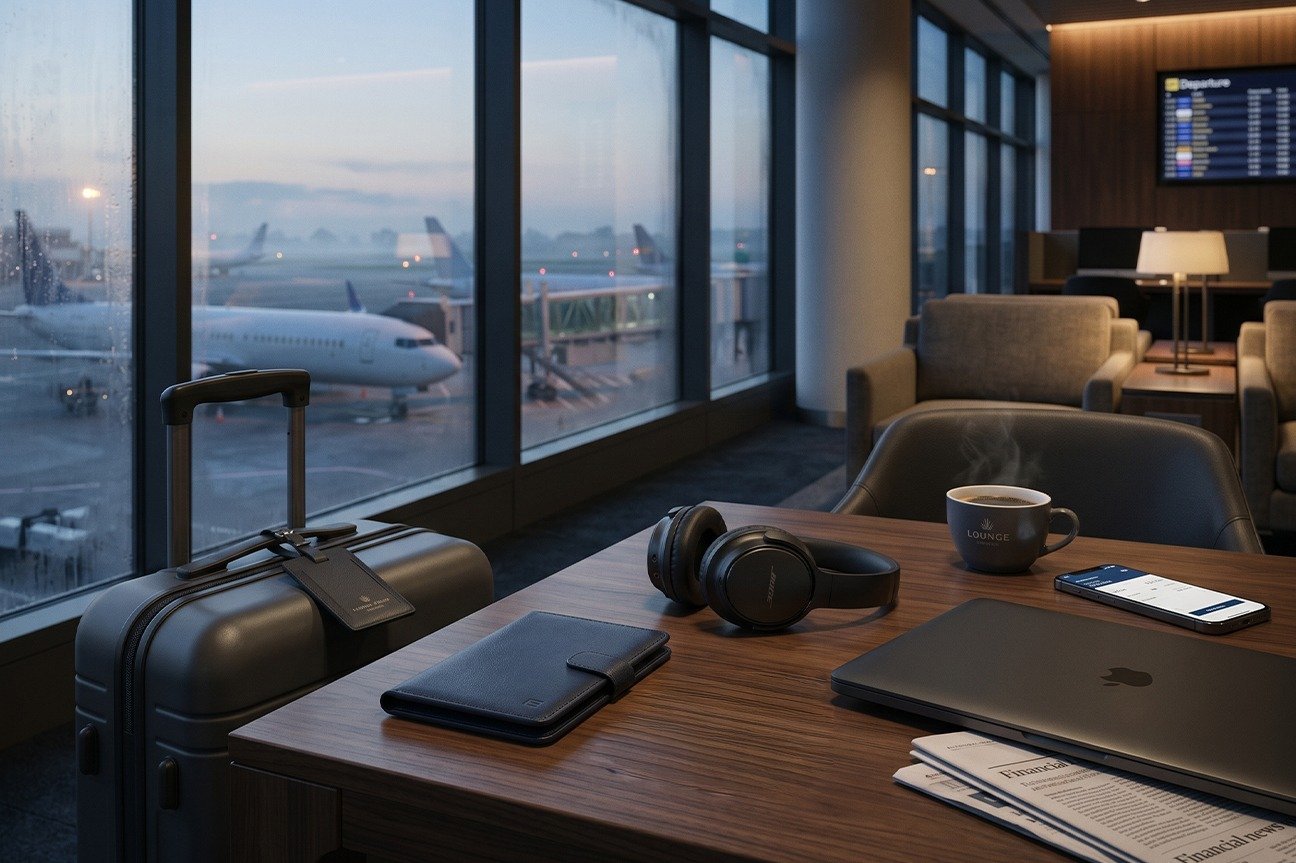
The real value of travel loyalty rarely comes from dramatic upgrades. It appears in small efficiencies that reduce fatigue across an entire trip. For hotels, this often includes early check-in, lounge access, reliable Wi-Fi, late checkout, and faster issue resolution. For airlines, it includes priority check-in, earlier boarding, complimentary bags, expedited security, and better seating flexibility. Rental car loyalty is often overlooked but highly impactful. With Avis, for example, I now bypass counters entirely, go straight to the garage, and leave within minutes. After long flights, that difference feels significant.
These efficiencies may seem small individually, but across frequent travel, they reduce exhaustion and make the overall experience more manageable. Reducing friction is not about luxury; it is about sustainability.
Loyalty Often Creates Financial Value, Not Just Convenience
There is a misconception that loyalty programs are primarily about luxury. In reality, they often create meaningful financial value. Included breakfasts, lounge access replacing meals, waived baggage fees, free seat selection, and reduced change penalties all add up over time. For frequent travelers, these savings are substantial across a year. More importantly, business travel often generates points and status that can later be used for personal travel, upgrades, or family trips. In that sense, work travel begins to subsidize leisure travel.
Loyalty becomes a system where professional movement generates long-term personal value. Used intentionally, it quietly improves both financial efficiency and travel quality without requiring major lifestyle changes.
Turning Work Travel into Long-Term Value
Consistency is where loyalty becomes powerful. Choosing the same airline, hotel group, or rental company over time creates compounding benefits. My own status was not built through luxury travel but through repeated business trips. Flights are accumulated into miles. Hotel stays turned into free nights. Status earned during work travel improved personal travel experiences later. Over time, travel stops being transactional and becomes interconnected.
Today, credit cards and alliance networks accelerate this process further by offering status boosts, lounge access, priority services, and additional earning opportunities. When used thoughtfully, loyalty programs are not about indulgence but about efficiency and long-term value creation.
A Recent Experience That Reinforced the Value
A recent international trip highlighted how powerful loyalty becomes when airline alliances align. I booked British Airways economy tickets using points, which meant limited seat selection and a basic fare experience. However, adding my Alaska Airlines Mileage Plan number changed the entire journey. Because Alaska participates in the Oneworld alliance, my status-activated benefits across the itinerary are almost immediate. Premium seat selection became complimentary. Priority boarding and check-in were available. Two checked bags were included. Lounge access was granted at multiple airports, including Washington Dulles and London Heathrow.
At Heathrow, dedicated check-in areas and expedited security transformed a typically stressful airport experience into a smooth one. Interestingly, I still flew economy. That contrast highlights the essence of loyalty: it is not always about the seat itself, but everything surrounding the journey that shapes how you arrive at your destination.
The Takeaway: Loyalty Should Make Travel Work Better
Brand loyalty should never feel restrictive. The most effective loyalty strategies develop naturally through consistent, intentional decisions over time. For professionals who travel regularly, these programs are not just marketing tools. They are systems that reduce friction, improve efficiency, and create stability in an otherwise unpredictable process.
They save time when time matters most, reduce stress when pressure is high, and improve the overall quality of travel. Ultimately, the real value is not in upgrades or perks, but in how you feel when you arrive. Less drained, more prepared, and ready for what you came to do.